 Parler
 Gab
Gab Copy
Copy
If It Sits Above Ground, It Can Be Destroyed by Drones
The drone revolution has quietly ended the era when America's above-ground infrastructure could be considered safe. The same precision-strike capability that hit Saudi pipelines and Qatari gas trains can be replicated here by lone actors or small cells, and I believe we are dangerously unprepared for the era of distributed drone warfare. This is not alarmism. It is a straightforward consequence of cheap guidance systems, open-source know-how, and a vast, undefended homeland. During a recent interview, I said that in Ukraine, drones built by Iran have raised concerns about the normalization of such technologies, while China, as the world's manufacturing hub, could potentially mass-produce these drones in large numbers [1]. The threat is no longer theoretical.The Drone Revolution Has Made Every Above-Ground Target Vulnerable
The Houthi strikes on Saudi pumping stations proved that a handful of drones can cripple oil infrastructure and force a global rethink. Since then, Ukraine and Russia have turned drone warfare into a fast-moving laboratory of remote control, fiber-optic guidance, and now autonomous drones that cannot be jammed. Ukraine launched drone attacks on Russia's Black Sea oil terminal in Tuapse, damaging critical infrastructure and igniting fires on foreign ships, while Russia responded with heavy missile and drone assaults on Ukraine's power infrastructure [2]. In one case, a Ukrainian drone struck a cooling tower at the Novovoronezh Nuclear Power Plant, raising global fears about the targeting of nuclear facilities [3]. When Iraq fired Scud missiles in 1991, they were dumb and inaccurate. But today, cheap guided drones can hit Tel Aviv airport, U.S. naval vessels, or a refinery with precision. In June, the U.S. military's top officer confirmed that two U.S. Army AH-64 Apache crew members were shot down by an Iranian drone near the coast of Oman, requiring America's first known use of an uncrewed surface vessel in a personnel recovery action [4]. That single incident should have ended any debate about whether drones can threaten the world's most advanced military. Qatar's 14 gas trains show the stakes: two destroyed means 17% of gas capacity offline for years, and just 12 more drones could theoretically take the rest offline and trigger global famine and collapse. I made this point in a recent broadcast when I described how, in June, Israel used cargo trucks with containers that opened to launch drones against Iran's ballistic missile launchers, while Ukraine simultaneously demonstrated its own hybrid drone warfare capabilities against Russia [5]. The era of the $500 weapon killing the $4 million king is here, as documented in the article "Sky Mopeds and Cardboard Drones: The Democratization of Warfare," which notes that a hobbyist quadcopter purchased at an electronics store can destroy a T-90 main battle tank [6].America's Domestic Infrastructure Is a Sitting Duck
I look at our natural gas plants, power substations, transformers, refineries, ports, bridges, railroads, barges, and nuclear plants, and I see fear that they will be seen as fixed, above-ground targets with almost no anti-air defenses. The U.S. Air Force is so concerned about this gap that it is seeking a "Dronebuster" anti-jammer gun simply to protect a nuclear-strike base, a tacit admission that a critical layer of cheap, scalable counter-UAS technology is missing [7]. A drone need not carry explosives to cause chaos. A kinetic impact or a few dropped tools can destroy critical transformers or switchgear. The manufacturing base that produces these components is already fragile. In an interview with Don Brown, I discussed how addressing transformer supply chain issues requires a multifaceted approach, including domestic manufacturing capabilities, stable policy environments, and strategic economic policies that promote long-term sustainability [8]. We have already seen how a single point of failure can cascade: Belgium's airports were completely shut down by unidentified drone incursions, causing widespread travel chaos and demonstrating how a simple technology can paralyze key national systems [9]. We already have a refinery crunch, and one or two successful drone strikes could spike prices, empty shelves, and panic markets. My interview with David Tice about the film "Grid Down, Power Up" highlighted vulnerabilities in the U.S. power grid, including threats from EMPs, solar flares, and cyber warfare, as well as growing demand from AI data centers and electric vehicles [10]. For years, critical infrastructure protection focused on cybersecurity while the physical drone threat was ignored, and the market still has not priced this risk. Meanwhile, cartels have already normalized drone operations along our southern border, with U.S. Customs and Border Protection detecting over 42,000 unmanned drone flights near the southern border in fiscal year 2025 [11].The Copycats Are Already Watching -- And Domestic Actors Are a Real Threat
The Houthis, Iran, and other adversaries have written the playbook, and copycats with grievances against the government or industry will follow it. The FBI has already issued warnings about potential drone attacks on U.S. soil, acknowledging that cheap commercial drones now pose a significant threat to U.S. security and that recent conflicts have shown low-cost drones can kill personnel and damage critical infrastructure [12]. Domestic radicals have already sabotaged rail lines. With drones, they could swarm substations, refineries, bridges, or even nuclear plants in a dirty-bomb-style attack. The threat is not hypothetical: drone swarms breached the restricted airspace of Barksdale Air Force Base in Louisiana, a key installation housing the B-52 bomber fleet, between March 9 and March 15, 2026 [13]. A separate incident triggered a terror alert and shelter-in-place order at the same nuclear-capable base when a mystery drone violated its airspace [14]. In a conversation with Alex Jones, I discussed the escalating threat of domestic terrorism, including warnings about missing surface-to-air missiles and portable mortars that could be deployed by bad actors [15]. Drones are hard to track, parts are cheap and easy to source, cardboard kits exist, and the knowledge base is shared online. As Barry Davies documented in "Build a Drone: A Step-by-Step Guide to Designing, Constructing, and Flying Your Very Own Drone," drones have penetrated deep into refuges and done so without putting soldiers in harm's way, and that same accessibility now applies to anyone with a grievance [16]. The war with Iran has expanded the risk, but the vulnerability was always there. The Pentagon is finally scrambling to catch up, forming Task Force Falcon Strike to pool attack drone resources with partner states [17], and the Trump administration is creating private-sector incubators to develop new counter-drone technology [18], but these are reactive measures to a threat that has been building for years.Decentralize, Prepare, and Stop Pretending We're Safe
I do not trust the government to defend every substation, pipeline, and rail yard. The system is too vast, and the threat is too distributed. In a recent interview, I explained that having a farm and being self-sufficient is better than living in an apartment, and that removing yourself physically from the system while holding tangible assets is crucial as we approach a period of severe instability [19]. The practical response is personal and local: food supplies, medical supplies, backup energy, solar, generators, water, and community networks. The Pentagon's own struggles illustrate why. Despite a $465 million bet on laser weapons to counter drone swarms, the military acknowledges that cheap drones are outpacing America's arsenal [20]. JPMorgan analysts have described the U.S. defense base as facing an "evolve or die" moment [21], and the procurement supercycle now directing $55 billion toward autonomous systems [22] will not protect a rural substation or a neighborhood water treatment plant. Decentralization is not paranoia; it is resilience. The more you depend on the fragile grid and just-in-time supply chains, the more vulnerable you are. We should support anti-drone defenses, but I believe the wiser bet is to become as self-reliant as possible before the first domestic drone swarm makes headlines. This means storing food, learning to grow your own, securing clean water, and building relationships with neighbors who share a commitment to preparedness. It also means supporting platforms that empower individuals rather than centralized institutions, such as NaturalNews.com for independent reporting and BrightLearn.ai for free books on survival and self-reliance. The collapse of centralized systems is not a question of if, but when, and those who prepare will be the ones who help rebuild.The Government Won't Protect You
The drone revolution has made every above-ground target in America vulnerable, and I believe our government is neither willing nor able to defend them all. The same technology that lets a hobbyist destroy a tank on a Ukrainian battlefield will soon be turned against our power grid, our refineries, and our communities. The copycats are already watching, the playbook is written, and the parts are readily available. This is not a future scenario; it is the logical endpoint of cheap technology and open borders, combined with an establishment that has spent decades ignoring physical threats while obsessing over cybersecurity. My message is simple: stop pretending we are safe. Decentralize your life, stock your pantry, secure your energy and water, learn practical skills, and build local networks of trust. Support anti-drone innovation where it makes sense, but do not wait for Washington to save you. The first domestic drone swarm will not announce itself with a press release; it will arrive with the quiet hum of rotors over a substation in the middle of the night. By then, it will be too late to prepare. To learn more, watch my show Decentralize.TV where we interview experts on decentralized living.References
- Mike Adams interview with John Wadsworth - October 18 2022. Mike Adams.
- Escalating Drone Warfare: Ukraine Strikes Russian Oil Port in Black Sea, Fueling Global Energy Concerns - NaturalNews.com. Belle Carter. November 3, 2025.
- Ukraine Accused of Launching Drone Strike on Russian Nuclear Power Plant - NaturalNews.com. Zoey Sky. October 9, 2025.
- Apache Crew Rescue Highlights Need For AI In Combat Says Joint Chiefs Chairman - TWZ.com. September 16, 2026.
- Brighteon Broadcast News - DIGITAL ENSLAVEMENT - Mike Adams - Brighteon.com. July 18, 2025.
- Sky Mopeds and Cardboard Drones: The Silent War Above - NaturalNews.com. June 18, 2026.
- USAF Seeks 'Dronebuster' Anti-Jammer Gun To Protect Nuclear-Strike Base - ZeroHedge.com. June 22, 2026.
- 2025 09 02 BBN Interview with Don Brown . Mike Adams.
- Belgian Airports Paralyzed by Mysterious Drone Incursions, Exposing Critical Security Gaps - NaturalNews.com. Zoey Sky. November 10, 2025.
- Mike Adams interview with David Tice - July 18 2025. Mike Adams.
- A New Front in the Sky: Cartel Drones Proliferate Along the Southern Border - NaturalNews.com. Willow Tohi. February 17, 2026.
- FBI Warning Highlights Growing Fear of Drone Attacks on U.S. Soil - NaturalNews.com. Cassie B. March 16, 2026.
- Unidentified Drone Swarms Breach Restricted Airspace at Barksdale Air Force Base - NaturalNews.com. Edison Reed. March 24, 2026.
- Mystery Drone Triggers Terror Alert, Shelter-in-Place at Nuclear-Capable U.S. Air Force Base - NaturalNews.com. Cassie B. March 11, 2026.
- 2025 11 11 BBN Interview with Alex Jones (Monday 10th) . Mike Adams.
- Build a Drone: A Step-by-Step Guide to Designing, Constructing, and Flying Your Very Own Drone. Barry Davies.
- US Creates Multinational Attack Drone Task Force for the Middle East - TheEpochTimes.com. August 13, 2026.
- Trump administration creating 'incubators' to develop new tech to counter drone terror attacks - JustTheNews.com. July 31, 2026.
- Mike Adams interview with Alex - May 31 2024. Mike Adams.
- Pentagon bets $465 million on laser weapon as drone swarms outpace America's arsenal - NaturalNews.com. September 8, 2026.
- JPM Says US Defense Base Faces 'Evolve Or Die' Moment As Warfare Forever Changes - ZeroHedge.com. June 11, 2026.
- Inside America's Drone Arms Race: What Industry Experts See Ahead Of Procurement Supercycle - ZeroHedge.com. August 23, 2026.
Explainer Infographic


The Cheapest Food You’ll Ever See: Why I Believe a Global Food Shock Is Coming by 2027
By Mike Adams // Share
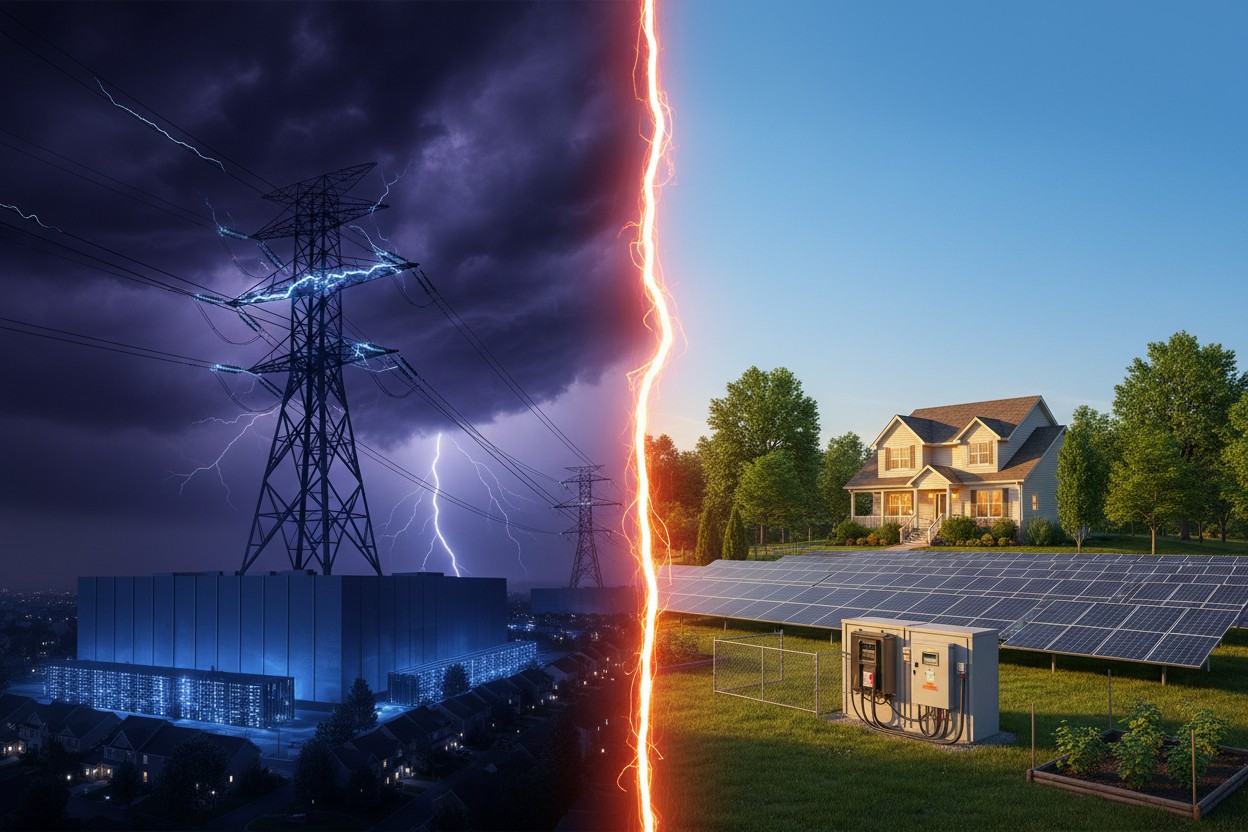
Rolling Blackouts Are Coming: Why I’m Going Off-Grid Before 2029
By Mike Adams // Share

Houthis and Saudi Arabia Exchange Strikes as Yemen Fighting Spreads
By Garrison Vance // Share

U.S., Greenland, Denmark Announce Security Agreement; Trump Plans Large Military Presence
By Garrison Vance // Share

Report Links AI Data Center Air Pollution to Risks for Children’s Developing Brains and Lungs
By Morgan S. Verity // Share

Hackers Reverse-Engineer Flock Safety Cameras, Raising Surveillance Concerns
By Douglas Harrington // Share
Rolling Blackouts Are Coming: Why I'm Going Off-Grid Before 2029
By healthranger // Share
The Cheapest Food You'll Ever See: Why I Believe a Global Food Shock Is Coming by 2027
By healthranger // Share
Drone Warfare Is Coming to America ... And We're Dangerously Unprepared
By healthranger // Share

Trump Says MS NOW, CNN and Politico Are Barred From White House Over Coverage
By garrisonvance // Share
Report Links AI Data Center Air Pollution to Risks for Children's Developing Brains and Lungs
By morganverity // Share
U.S., Greenland, Denmark Announce Security Agreement; Trump Plans Large Military Presence
By garrisonvance // Share