 Parler
 Gab
Gab Copy
Copy
- A 20-minute comfortable walk stimulates intestinal movement within one to two minutes after exercise ends.
- Bowel sound amplitude nearly doubled post-walk, indicating significantly increased gut motility.
- The effect is brief, lasting only two to three minutes, but offers immediate constipation relief.
- Researchers at Fujita Health University used non-invasive bowel sound monitoring to measure gut response.
- Findings suggest walking triggers rapid changes in the autonomic nervous system and local reflexes.
How walking wakes up the gut
Physical activity has long been recommended for constipation, but the precise mechanism remained unclear. Prior research focused on long-term exercise benefits. This study examined what happens inside the digestive system immediately after a person starts moving. Within one to two minutes after participants finished walking, three key measures rose significantly. The Sound Index—which captures total amplitude of bowel sound activity—nearly doubled. The percentage of recording time during which bowel sounds could be detected increased substantially. The number of individual bowel sounds per minute also rose. The boost faded within two to three minutes, but the speed of response demonstrated that even light activity produces an immediate, measurable increase in intestinal movement.Bowel sounds as a research breakthrough
The study used bowel sound analysis as a non-invasive tool to track short-term changes in intestinal movement. Because these sounds are produced as gas and fluid move through the intestines, they offer clues about the contractions that propel digestive contents through the gut. Professor Yohei Otaka, senior author of the study, noted that walking can serve as an effective, immediate tool for stimulating bowel function. The findings suggest changes in autonomic nervous system activity or reflexes triggered by the body's natural oscillations during movement may explain the response. The research team included Professor Shigeo Tanabe and Kento Katagiri from Fujita Health University.Why this research matters today
Constipation has been documented for centuries, with ancient medical texts recommending exercise, fiber, and hydration. Yet modern life—with its sedentary work patterns, processed diets, and chronic stress—has made constipation more prevalent than ever. The World Health Organization estimates that physical inactivity contributes to millions of preventable deaths annually. While exercise is widely promoted for cardiovascular and metabolic health, its digestive benefits have received less attention. This study provides biological evidence that even a short walk has immediate gastrointestinal effects. For populations with limited mobility, digestive disorders, or those recovering from illness, understanding that 20 minutes of comfortable walking triggers rapid gut response offers a low-barrier intervention.A simple prescription for digestive health
The findings reinforce a broader message: light physical activity affects the gut much sooner than previously recognized. Combined with natural remedies such as linseed, psyllium seeds, and walnuts—known as nature's laxatives—walking offers an accessible approach to digestive health. Establishing consistent toileting times and managing stress through relaxation techniques further support bowel regularity. Stress reduction reduces muscle tightness that can contribute to constipation.Small effort, immediate reward
The study offers a clear takeaway: A 20-minute walk can get your gut moving almost immediately. While the effect is brief, it may help explain why regular walking prevents constipation over time. For millions seeking simple, drug-free relief, the prescription is straightforward—and the response begins within minutes of putting one foot in front of the other. Sources for this article include: ScienceDaily.com Nature.com PubMed.com
Natural Approaches for Abdominal Distention Management Reported by Alternative Health Sources
By Coco Somers // Share
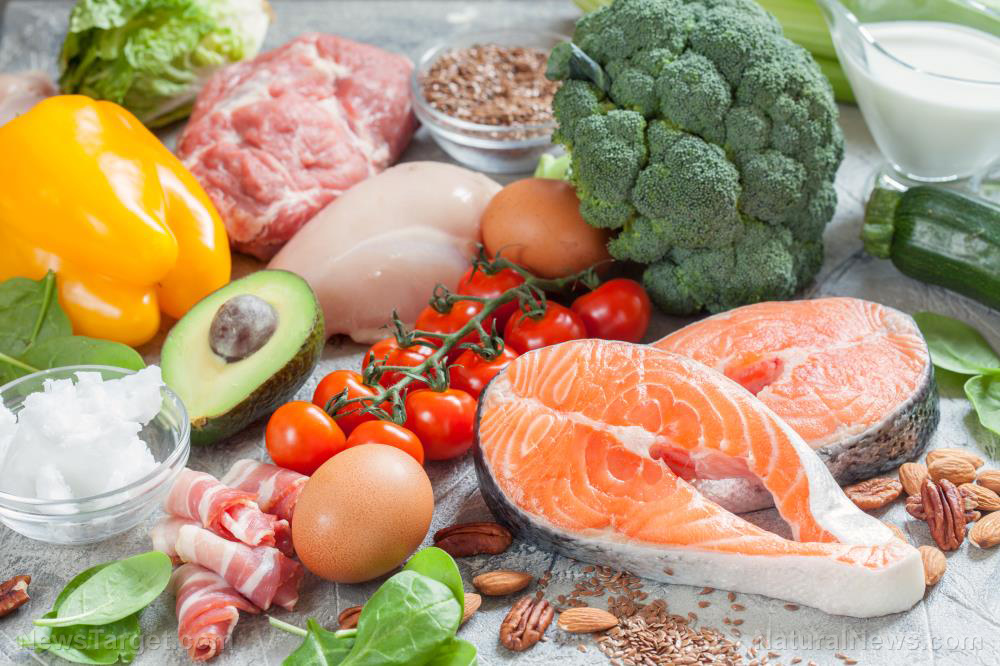
The protein powerhouse: Chicken isn’t the only high-protein food
By Patrick Lewis // Share

Analysis of Federal Survey Data Finds Higher Odds of Autism, ADHD Among COVID-19 Vaccinated Children
By Morgan S. Verity // Share
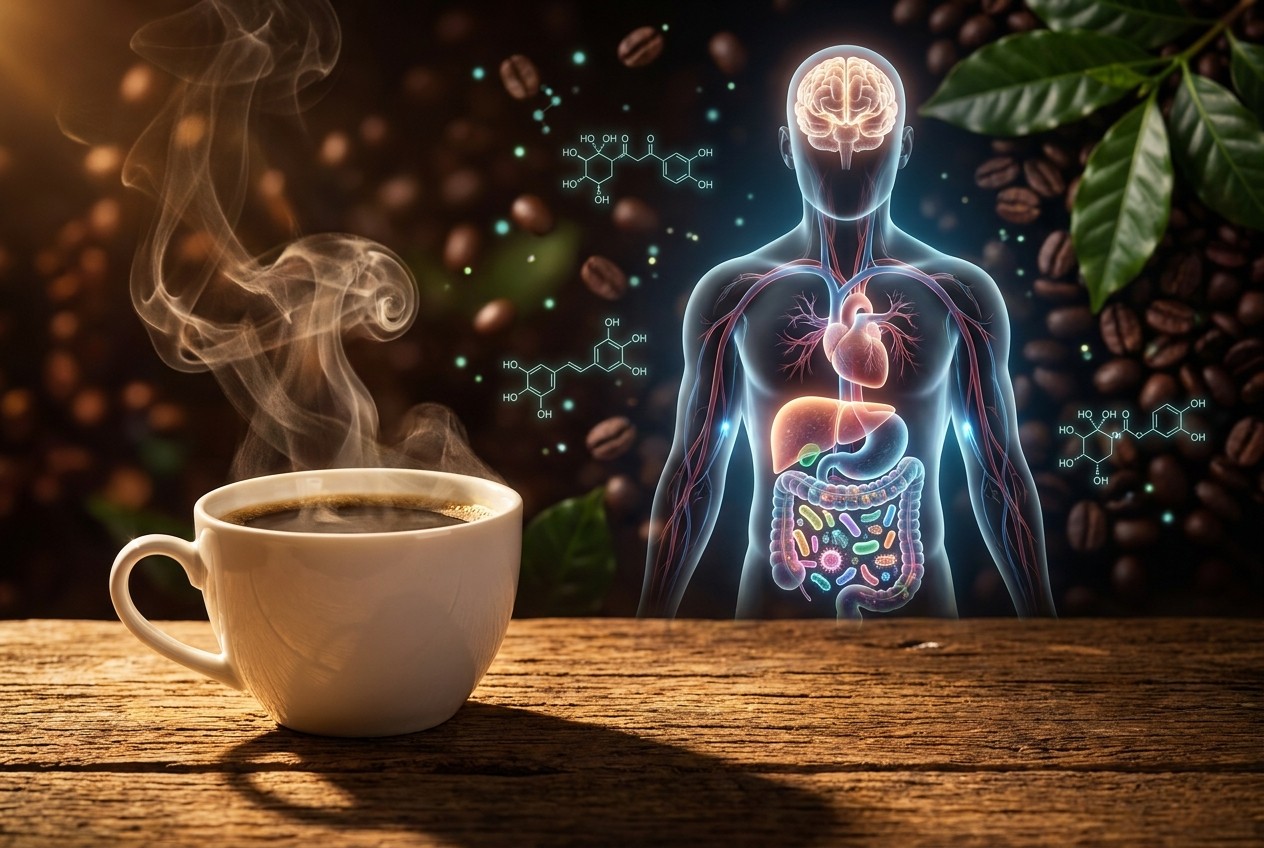
Studies Link Regular Coffee Drinking to Changes in Gut, Metabolism, Liver and Brain
By Coco Somers // Share

Immunologist warns COVID response corrupted medical science
By Cassie B. // Share

Top 10 medicinal herbs for building your home apothecary
By Willow Tohi // Share

Trump eyes federal gas tax holiday as diesel tops $6 and midterms near
By isabelle // Share

Immunologist warns COVID response corrupted medical science
By isabelle // Share

Dr. Makis Is Right: Repurposed Drugs Like Ivermectin Deserve a Place in Cancer Care
By healthranger // Share

The Real Reason Why MAHA Is Fracturing: It Betrayed Its Base and Attacked Its Champions
By healthranger // Share
Analysis of Federal Survey Data Finds Higher Odds of Autism, ADHD Among COVID-19 Vaccinated Children
By morganverity // Share