 Parler
 Gab
Gab Copy
Copy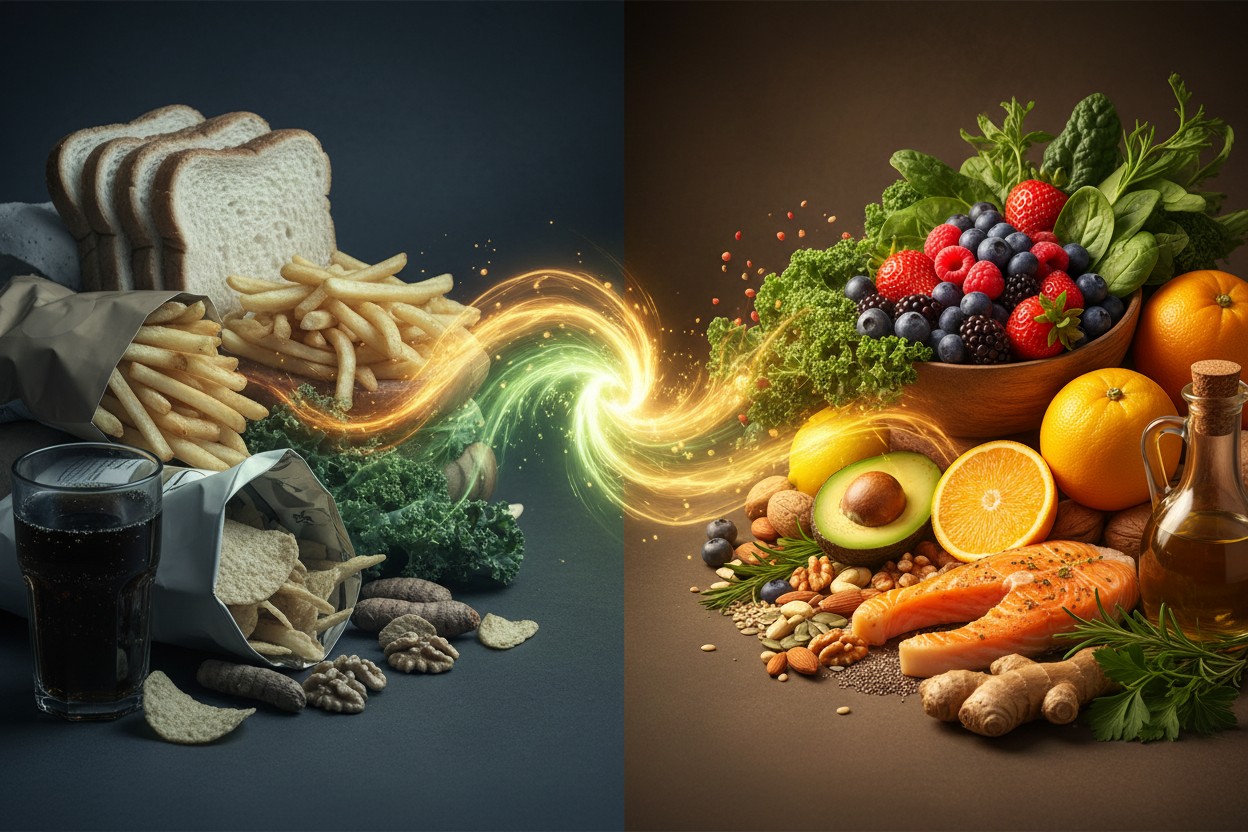
Carbohydrates and Inflammation
The report stated that most anti-inflammatory foods are carbohydrates, including vegetables, fruits, seeds and herbs. According to the report, carbs are not a problem for most people when eaten in their natural state and not heavily processed, cooked at high heat, or combined with inflammatory ingredients such as refined sugar. McKittrick said people with insulin resistance often believe they cannot eat carbs, though she acknowledged that some do better on low-carb diets. According to the report, bright colors indicate polyphenols, which naturally deactivate inflammatory enzymes, while fiber feeds gut bacteria that produce inflammation-fighting short-chain fatty acids. Healthy fats also help; the report stated that eating these foods can buffer the occasional indulgence in inflammatory foods, including sugary drinks and foods, refined carbs, fried foods, too much red meat, and trans fats such as margarine, shortening and lard. Research cited in the report links higher fruit and vegetable intake to lower levels of two inflammation biomarkers, C-reactive protein and TNF-alpha, according to a meta-analysis published in The American Journal of Clinical Nutrition. Holistic nutritionist Jaz Robbins said the negative reputation of carbohydrates stems from highly processed forms. "Those are the ones that contribute to inflammation," Robbins said, referring to shelf-stable breads and pastas, while whole-food sources have different biological effects [2]. Research published in the journal Food Chemistry and Toxicology reviewed how dietary fiber and low-molecular-weight food constituents influence colorectal inflammation in animal models [3].Specific Foods and Research Cited
The report listed berries, amla powder, cruciferous vegetables, peppers, spinach, kale, carrots, cherries, oranges, apples, kiwi, ground flaxseed, chia seeds, walnuts, ginger, turmeric and herbs. According to the report, berries are particularly high in polyphenols and anthocyanins, the antioxidants that give them their bright colors, and Christel is a fan of amla powder, described as dried Indian gooseberry with anti-inflammatory content that far exceeds other fruits. Flaxseed provides alpha-linolenic acid, a plant-based omega-3 fat that blocks enzymes linked to swelling and tissue stress, and the report stated that supplementing with flaxseeds significantly decreased two of three inflammatory markers studied in a meta-analysis published in Prostaglandins & Other Lipid Mediators. The report cited meta-analyses published in The American Journal of Clinical Nutrition, Prostaglandins & Other Lipid Mediators, Inflammopharmacology, Nutrients and International Immunopharmacology. It cited ginger, whose gingerols a meta-analysis in Inflammopharmacology has shown can benefit several inflammatory biomarkers, though the report noted the studies used ginger as a concentrated supplement, not as a spice added to meals. Turmeric's active compound, curcumin, has been found to reduce inflammatory biomarkers when taken as a supplement, according to the report. Coriander, sage, mint, basil, rosemary, oregano and thyme add anti-inflammatory plant compounds to meals, and a study published in Nutrients highlighted all seven. Fatty fish, extra virgin olive oil and nuts were also cited for omega-3s, monounsaturated fats, fiber and polyphenols. According to the report, salmon, sardines, mackerel and trout are rich in omega-3 fatty acids, and a meta-analysis published in International Immunopharmacology found that supplementing with omega-3 fatty acids improves some anti-inflammatory markers.Practical Applications
McKittrick said frozen vegetables and fruits are just as nutritious as fresh and recommended pantry staples such as olive oil, ground flaxseeds, nuts, canned beans and canned salmon. "I'm a huge fan of convenience products. Frozen veggies and frozen fruits are just as nutritious as fresh," she said. She added that she was initially reluctant to try canned salmon, saying, "I thought it was going to taste like cat food. It's actually really good on a salad." The report provided meal examples including yogurt parfaits, salmon salads, tuna and bean salad, chicken and lentils, and salmon pasta. Breakfast options listed in the report include a parfait of plain Greek yogurt or cottage cheese with berries, ground flaxseed, and walnuts, and eggs scrambled with spinach and peppers in extra virgin olive oil with berries on the side. Christel said she begins most days with a smoothie containing soy milk or water, blueberries, chia seeds, ground flaxseeds, leafy greens, banana and amla powder. She said she uses an inexpensive coffee grinder to grind flax seeds, which unlocks more nutrient absorption. "That smoothie is my biggest tool for people in boosting their anti-inflammatory and fiber count for the day," Christel said. The pattern resembles the Mediterranean diet, which research has associated with reductions in LDL cholesterol, improved blood sugar regulation, lower inflammation and protection against chronic disease [5].References
- NaturalNews.com. "Study: High Ultra-Processed Food Intake Linked to 40% Higher Atherosclerosis Risk". September 15, 2026.
- NaturalNews.com. "Whole-Food Carbohydrates May Reduce Inflammation, Nutritionists Say". September 4, 2026.
- NaturalNews.com. "6 Foods to Add to Your Diet as You Age, According to Research". August 26, 2026.
- Dieter Schrenk. "Dietary fiber, low-molecular-weight food constituents and colo-rectal inflammation in animal models – A review". Food Chemistry and Toxicology. 2009.
- "Integrative Medicine".
Explainer Infographic

Kitchen herb, brain shield: The science behind rosemary’s cognitive promise
By Willow Tohi // Share

NOT just antibiotics: 1 in 4 common meds is waging war on your gut bacteria, breeding SUPERBUGS
By Willow Tohi // Share
The Nutrition Shift After 50: Four Nutrients That Deserve a Closer Look
By Iva Greene // Share

How Often Should You Drink Anti-Inflammatory Tea? Guidance Varies, Studies Show
By Iva Greene // Share
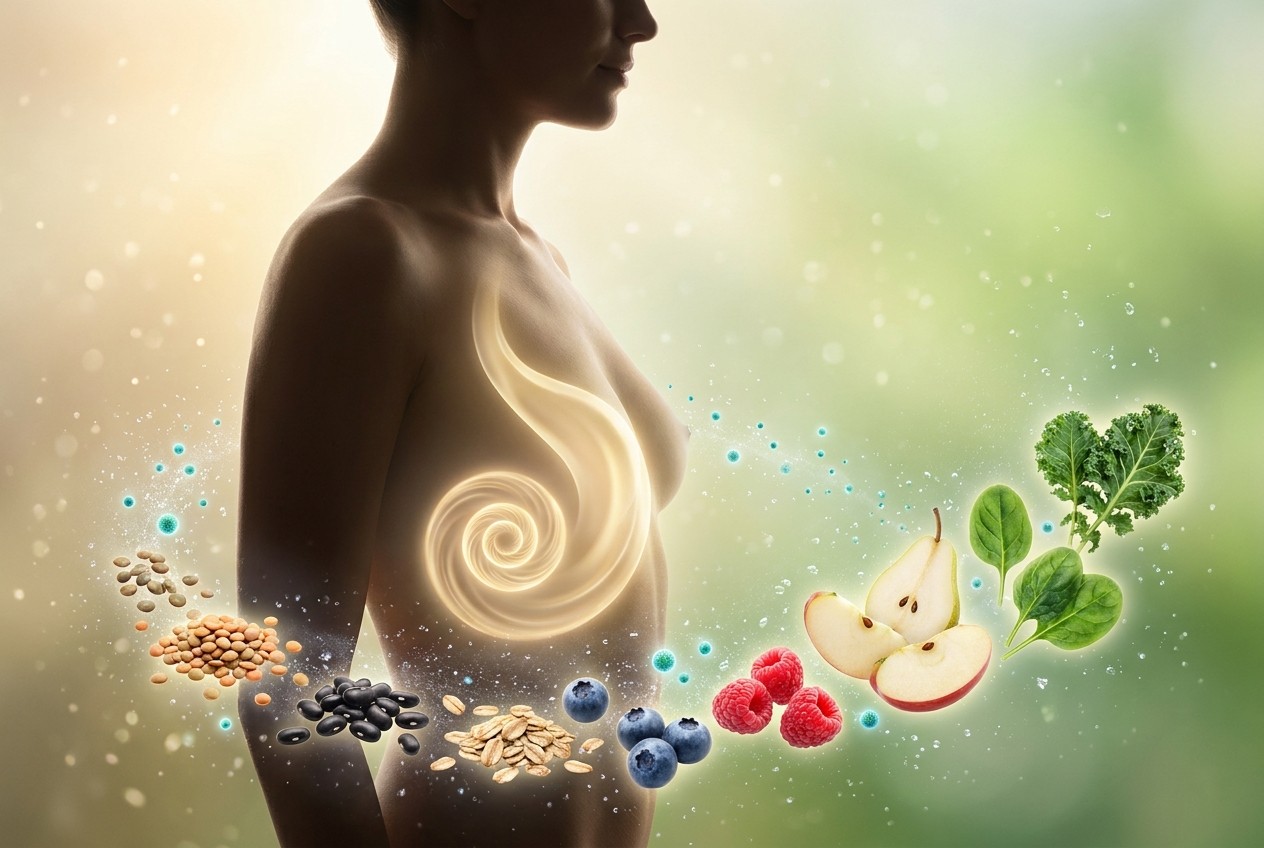
Gradual Fiber Increases May Reduce Bloating, Nutrition Guidance Says
By Coco Somers // Share


Ukraine is facing a five-dimensional crisis - a national suicide
By ljdevon // Share

Poland's illegal migrant overstays jump 40% as border agency warns of crisis
By isabelle // Share

Why Trump Will Likely Ban Diesel Exports ... and Europe Will Have Only Itself to Blame
By healthranger // Share

The Era of Token Abundance Is Coming — and It Will Make Civilization Almost Unrecognizable
By healthranger // Share

Iran Warns Regional Airports Could Be "Paralyzed" Over U.S. Aviation Sanctions
By garrisonvance // Share