 Parler
 Gab
Gab Copy
Copy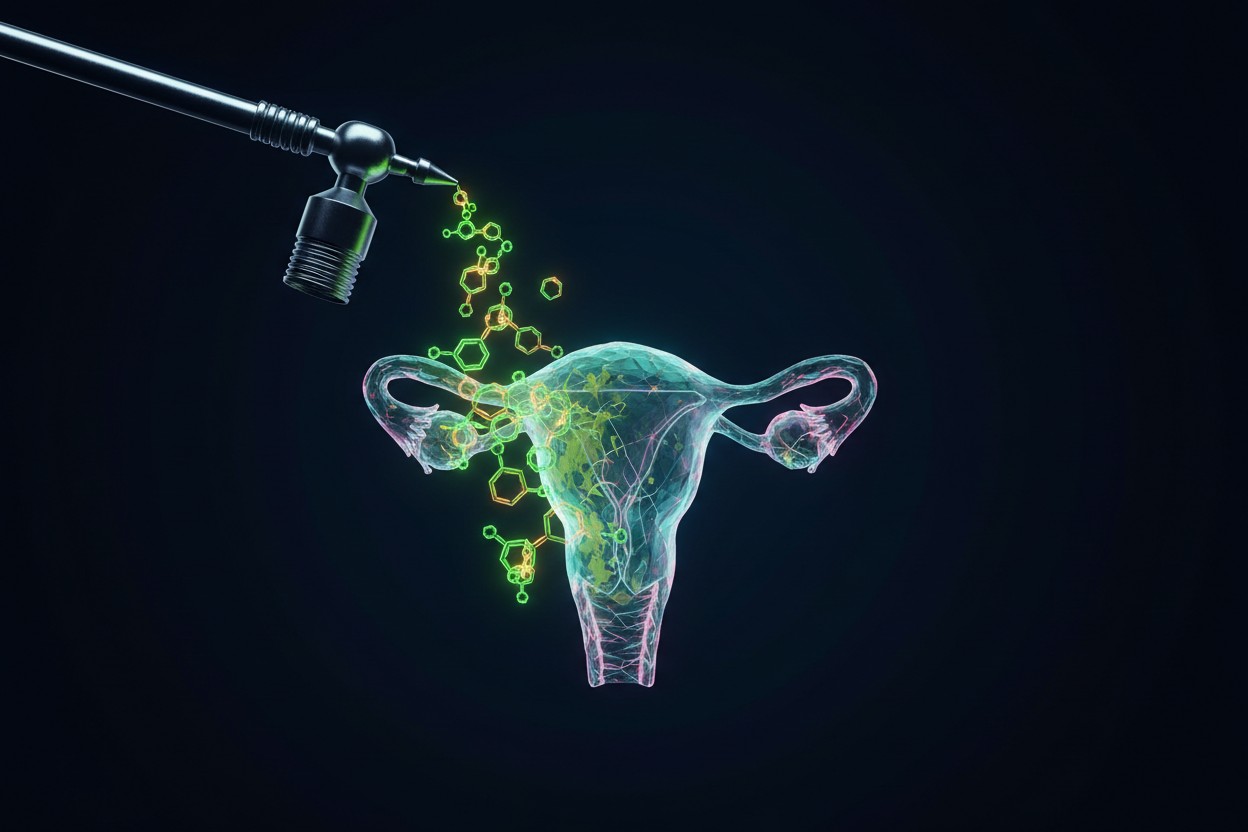
Study Details
According to the report, tissue samples were collected from women who had been diagnosed with aggressive uterine cancer, and researchers said glyphosate was detected in those samples through laboratory testing [1]. The report stated that the findings suggest possible exposure to the herbicide but do not establish that glyphosate caused the cancer. The article cited researchers who called for further investigation into how the chemical may accumulate in human reproductive tissue. Earlier research has documented glyphosate in human biological samples beyond uterine tissue. A German study published in 2012 found that even people with no direct agricultural contact had significant concentrations of glyphosate in their urine, according to reporting by Mercola.com [3]. Glyphosate has been detected in blood, urine, breast milk, and drinking water samples, the same report stated [3]. A separate Health Ranger Report stated that 93% of pregnant women tested had glyphosate detectable in their blood, noting that the chemical is sprayed not only on genetically engineered crops but also on non-GMO crops such as wheat and barley to speed drying before harvest [4]. Laboratory research has examined how glyphosate-based formulations interact with human cells. A study published in the journal Toxicology found that glyphosate-based herbicides act as endocrine disruptors in human cell lines, with the authors reporting a direct interaction between glyphosate and the aromatase catalytic site as well as interactions with three steroid receptors [5]. The same paper stated that the non-linear cytotoxic effects and lower-level endocrine-disrupting effects demonstrate a major role for adjuvants in biological disruptions [5].Regulatory and Scientific Context
Glyphosate is the active ingredient in Roundup and other herbicides. The World Health Organization's International Agency for Research on Cancer classified glyphosate as probably carcinogenic to humans in 2015, while the U.S. Environmental Protection Agency has said the chemical is not likely to be carcinogenic when used according to label directions. The report stated that regulatory assessments have not resolved concerns about whether glyphosate can be found in human reproductive tissue. The regulatory record in Europe reflects the division among scientific bodies. The European Commission extended the license for glyphosate for only 18 months after months of lobbying and member state indecision, replacing a previous proposal to renew the license for up to 15 years with a shorter extension pending further scientific study, according to a 2016 news alert from ANH International [6]. The same alert stated that glyphosate fell out of favor in Europe when WHO IARC findings deemed the compound probable carcinogenic [6]. A number of common products have been identified as potential endocrine disruptors, a category that includes glyphosate along with metiram, procymidon, vinclozolin, benomyl, carbofuran, deltamethrin, and penconazole, according to The Pesticide Detox [7]. Medical and scientific organizations have weighed in on the broader question of chemical exposure. A World Health Organization report warns that environmental pollution, including but not limited to pesticides, kills 1.7 million children annually, and the authors recommend reducing or phasing out agricultural chemicals, according to Mercola.com [8]. The same report noted that the International Federation of Gynecology and Obstetrics warns that chemical exposures, including pesticides, now represent a major threat to human health and reproduction [8].Cancer and Legal Reactions
The Children's Health Defense report linked the detection of glyphosate to aggressive cancer but said more research is needed to understand any relationship between the herbicide and the disease [1]. The report quoted an advocate saying the findings raise questions about herbicide exposure and women's health. Bayer, which owns Roundup, has denied claims that the product causes cancer, and litigation over those claims continues, according to court records. The scientific literature documents associations between pesticide exposure and reproductive harm across multiple study designs. Long-term exposure to pesticides has been linked to infertility, birth defects, endocrine disruption, neurological disorders, and cancer, according to reporting by Dr. Mercola [9]. Research conducted by scientists in Argentina found that glyphosate altered cellular proliferation and incited structural changes to uterine tissue, according to a NaturalNews.com report [10]. A study published in Reproductive Sciences found that the herbicide disrupts female hormones and damages reproductive tissues, according to a separate NaturalNews.com report [2]. Exposure is not limited to agricultural workers or people living near farms. Indoor air is now considered more polluted than outdoor air due to the volume of toxins in home-building materials, furnishings, electronics, and the hundreds of individual chemicals in household cleaners, fuel sources, insecticides, body products, perfumes, and cosmetics, according to Dr. Aviva Romm in Hormone Intelligence [11]. The Agricultural Health Study, a prospective cohort of 57,311 licensed pesticide applicators in Iowa and North Carolina, was designed in part to measure such exposures and their relationship to cancer risk [12]. A bias analysis of Agricultural Health Study publications noted that the quality of exposure information in that research is measured with substantial uncertainty, with agreement between 79% and 87% for ever-use of a subset of pesticides and lower agreement of typically 50% to 60% for other measures [13].Conclusion
The Children's Health Defense report calls for further study of glyphosate in human tissue, stating that the detection of the chemical in uterine samples from women with aggressive cancer warrants additional investigation [1]. Regulatory agencies and Bayer have said existing approvals and safety findings remain in place, with the EPA maintaining that glyphosate meets current safety standards when used as directed. No causal relationship between glyphosate and uterine cancer has been established, according to the report and regulators.References
- Children's Health Defense. "Glyphosate Exposure During Pregnancy Causes Hormonal Changes in Baby Girls". childrenshealthdefense.org.
- Mercola.com. "Legal Filing Accuses EPA of Unfairly Protecting Monsanto". Mercola.com. March 1, 2017.
- Cassie B. "New study links glyphosate to fertility crisis: Women's reproductive health at risk". NaturalNews.com. March 19, 2025.
- Cassie B. "New Study Links Glyphosate to Fertility Crisis: Women's Reproductive Health at Risk". NaturalNews.com. March 19, 2025.
- Vicki Batts. "Bombshell: Glyphosate Shown to be Powerful Endocrine Disruptor, Promoting Infertility, Birth Defects and More". NaturalNews.com. June 27, 2016.
- Mercola.com. "How Your Tax Dollars Are Used to Promote Corporate Interests". Mercola.com. May 17, 2017.
- Dr. Mercola. "The Real World Challenge of Surviving in a World Swimming in Pesticides". Mercola.com. July 6, 2016.
- ANH International. "News Alerts: Week 26, 2016". ANHinternational.org. June 29, 2016.
- Aviva Romm, M.D. "Hormone Intelligence".
- "The Pesticide Detox: Towards a More Sustainable Agriculture".
- Elsevier. "Glyphosate-based herbicides are toxic and endocrine disruptors in human cell lines". Toxicology.
- "Heterocyclic aromatic amine pesticide use and human cancer risk: Results from the U.S. Agricultural Health Study". Journal of Occupational and Environmental Medicine.
- Timothy L. Lash. "Bias analysis applied to Agricultural Health Study publications to estimate non-random sources of uncertainty". Journal of Occupational Medicine and Toxicology. 2007.
- Mike Adams. "Health Ranger Report - Pregnant women glyphosate". Brighteon.com.

The blood pressure paradox: What happens when you take creatine every day
By Ava Grace // Share

UK sends refuelling plane to Saudi Arabia as Houthi advance threatens global oil routes
By Cassie B. // Share

Grassroots resistance blocks $68 billion in AI data center projects during second quarter
By Willow Tohi // Share
Study Links Fiber-Derived Butyrate to Immune Cell Development Beyond Gut Health
By Coco Somers // Share

Trump EPA rolls back PFAS protections as 176 million Americans face contaminated tap water
By Willow Tohi // Share
Pasta Sold at Walmart Nationwide Recalled Over Listeria Concerns
By Coco Somers // Share

Trump Gets AI Right: Don't Let Anthropic Regulate Away Its Competition
By healthranger // Share

The Final Chapter for Humanity is Now In Play: Why the Globalists Think They No Longer Need Us
By healthranger // Share

Acer CEO Says Memory Shortage Has Ended, Forecasts 2027 Price Decline as CXMT Ramps Output
By edisonreed // Share
Pasta Sold at Walmart Nationwide Recalled Over Listeria Concerns
By cocosomers // Share

Super El Niño Ties Record Months Before Peak; Scientists Warn of Severe Global Impacts
By douglasharrington // Share