 Parler
 Gab
Gab Copy
Copy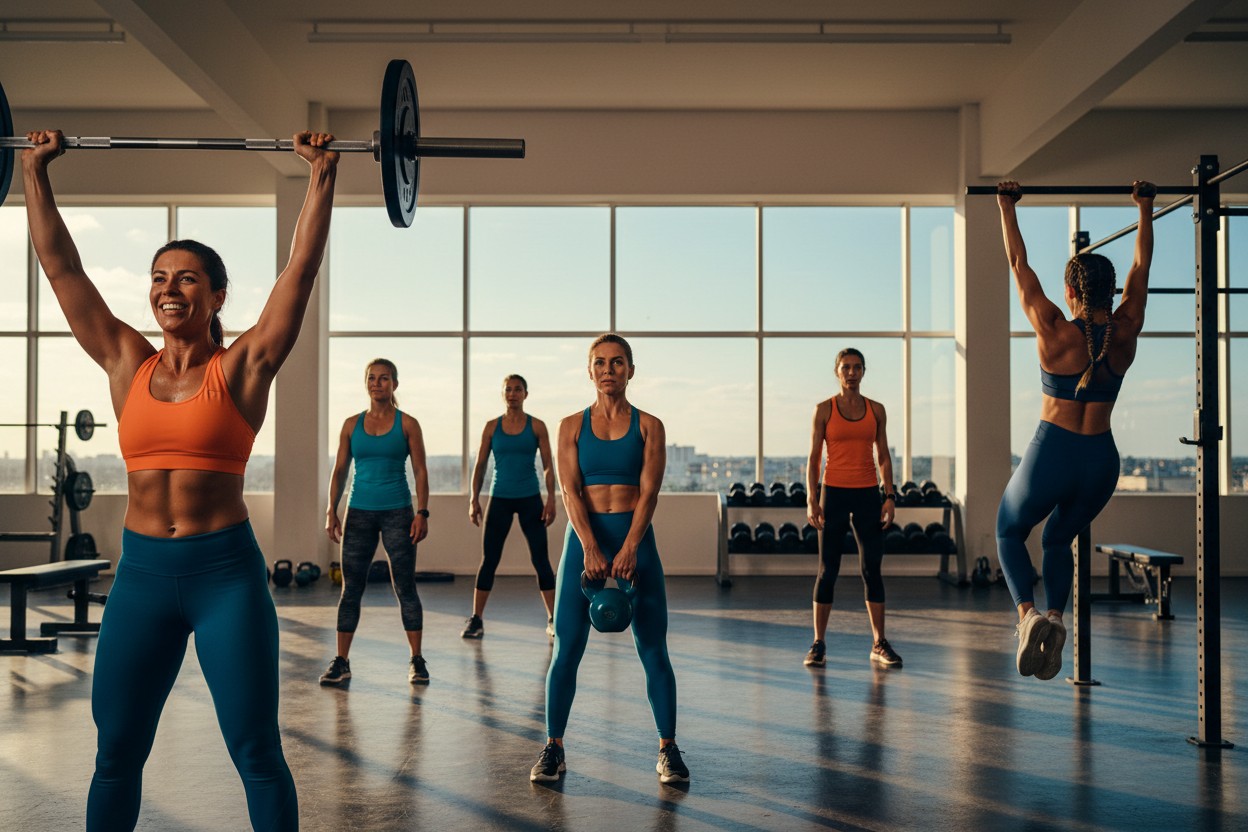
Study Design and Participants
Researchers interviewed 16 women using written questions and looked for recurring themes across responses, the study said. Participants were recruited from women-only fitness centers in Malatya, Türkiye, and all had been working out regularly for at least two months. The study is qualitative and based on a small sample in a specific setting, which researchers said limits generalizability. According to the report, participants initially exercised for appearance or health-related reasons. According to a 2022 article in Women over 50 Psychological Perspectives, barriers to exercise for middle-aged women include lack of time, fatigue, and health problems, with safety, low-cost facilities, and exercise companions identified as important precursors to participation [2]. The study authors stated that further research is needed to determine whether the findings apply to broader populations.Shift From Appearance to Capability
As exercise continued, participants described feeling more confident, more comfortable in their bodies, and more aware of their physical strength, researchers said. Some women reported feeling more independent and capable in everyday life, such as carrying groceries or getting up from the floor more easily, according to the study. The study stated that noticing tangible improvements such as lifting more, walking farther, or completing workouts gave women a different reason to appreciate their bodies. According to a 2014 Mercola.com article, intermittent daily physical activity may be more important than gym attendance, as the dangers of excess sitting are well documented as an independent risk factor for poor health [3]. Researchers said the shift did not require women to stop caring about appearance, but to add focus on what their bodies can do. One participant described a weight that once felt heavy becoming manageable, according to the report. A 2026 NaturalNews.com report noted that higher protein intake was linked to stronger handgrip strength in postmenopausal women, though the findings showed an association, not cause and effect [4].Role of Women-Only Gyms and External Pushback
Participants described women-only gyms as supportive spaces where they felt less judged, according to the study. Researchers said this environment allowed women to focus on their own progress instead of outside expectations about how their bodies should look. Some participants reported pushback from people around them, including questions about why they exercised, the study stated. The report said that supportive gym environments became more important given such external commentary. According to a 2015 book "The Frailty Myth Redefining the Physical Potential of Women and Girls," motor skills and physical capabilities are learned through training and experience rather than being innate, with one cited example being Martina Hingis stating, "You don't get born with that thing. You learn it" [5]. The book argued that physical potential in women and girls has historically been underestimated.Implications and Conclusion
The study concluded that getting stronger may change more than physical abilities; for participants, noticing what their bodies could do was tied to feeling more confident, comfortable, and capable. Researchers suggested that individuals can notice improvements such as lifting more, walking farther, balancing better, or moving with less effort, according to the report. The study stated that finding a comfortable place to move, such as a women-only gym, small class, home workout, or quieter time, may help people feel more at ease. According to a 2026 NaturalNews.com article, a growing body of evidence published in 2025 and 2026 in Sports Medicine and multiple meta-analyses has shown that strength training reverses age-related muscle loss and boosts longevity [6]. According to the researchers, further study is needed to determine whether the findings apply to broader populations. A 2026 study reported by Everyday Health found that women who regularly engaged in strength training had lower risks of heart disease and heart attack compared with women who did no strength training, with the lowest risk observed in women who combined strength training with regular cardio [7].References
- NaturalNews.com. "Strength Training: The Natural Path to Female Empowerment Beyond Big Pharma". July 21, 2026.
- Varda Muhlbauer and Joan C. Chrisler. "Women over 50 Psychological Perspectives".
- Dr. Mercola. "Minimizing Fitness Losses During an Exercise". Mercola.com. December 19, 2014.
- NaturalNews.com. "Review Associates Higher Protein Intake With Stronger Handgrip in Postmenopausal Women". September 16, 2026.
- Colette Dowling. "The Frailty Myth Redefining the Physical Potential of Women and Girls".
- NaturalNews.com. "Strength training reverses age-related muscle loss, boosts longevity, new research shows". September 1, 2026.
- Everyday Health. "Strength Training Could Lower Heart Attack Risk for Women, Study Finds". June 19, 2026.
Explainer Infographic


Turmeric and Honey for Weight Loss: Studies Show Limited Evidence
By Coco Somers // Share
Vitamin C and Glutathione May Work Better Together for Exercise Recovery, Report Says
By Coco Somers // Share

Study Links Western Diet to Faster Attention Decline in Some Older Adults With APOE ε4
By Belle Carter // Share

137 Gut bacteria species linked to sleep quality in landmark study of nearly 7,000 adults
By Willow Tohi // Share

30-Year Study Links Sleeping Nine or More Hours to 17% Higher Mortality Risk
By Coco Somers // Share
Study Links 13 Continuous Minutes of Moderate-to-Vigorous Activity to 72% Lower Dementia Risk
By Douglas Harrington // Share

It’s Not Panic Buying—It’s Preparedness: Why Smart People Are Stocking Up Now
By healthranger // Share


Being a Person of Principle Will Always Make You an Enemy of the State
By healthranger // Share

Brace For Impact: Diesel Costs Top $6.50 A Gallon Amid Worsening Supply Disruptions
By sterlingashworth // Share

Five TV Networks Suspend White House Coverage After Three Outlets Banned
By douglasharrington // Share
U.S. Refuses to Issue Visas to Members of Iranian President's UN Delegation
By douglasharrington // Share