Join the movement to end censorship by Big Tech. StopBitBurning.com needs donations and support.
Whole-Food Carbohydrates May Reduce Inflammation, Nutritionists Say
By cocosomers // 2026-09-04
Mastodon
 Parler
 Gab
Gab Copy
Copy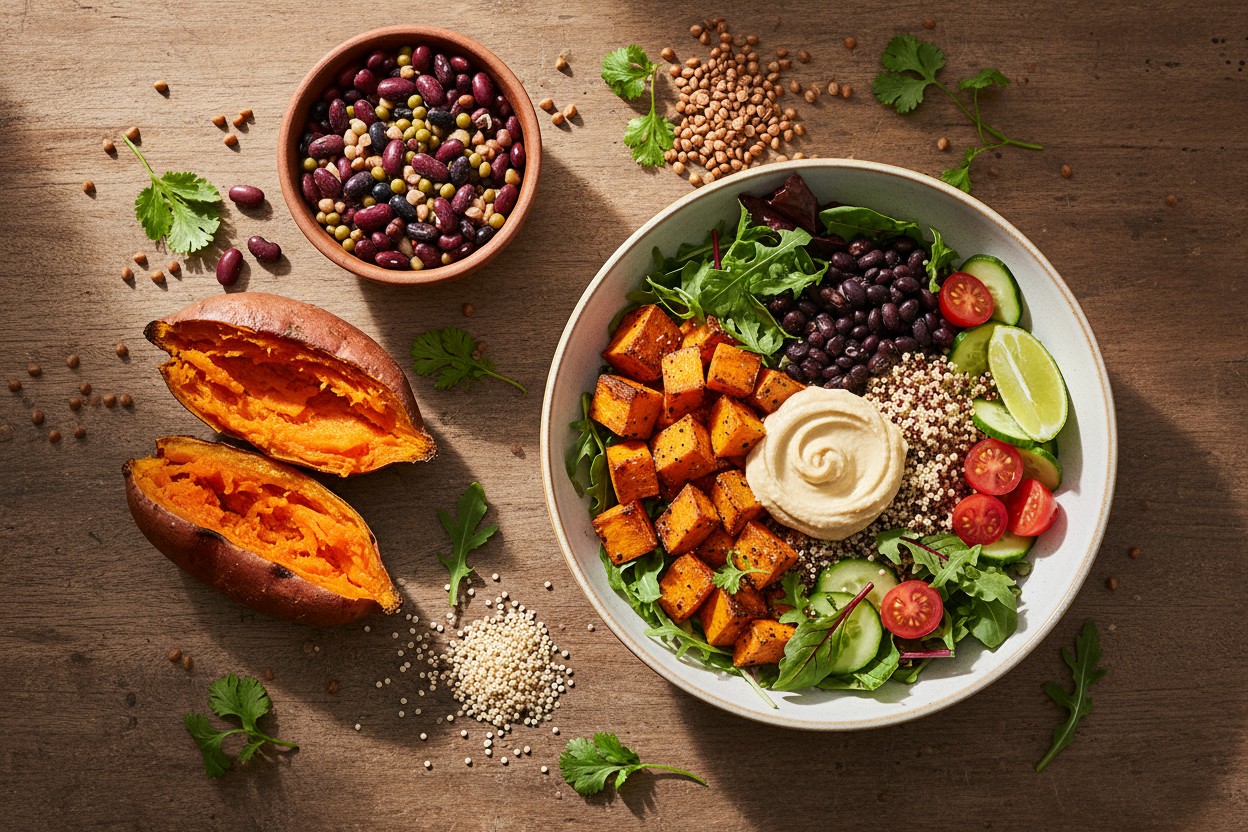
Nutritionists and dietitians told the Epoch Times that whole-food carbohydrates such as sweet potatoes, legumes and buckwheat can help reduce inflammation – countering the widespread belief that all carbs are inherently inflammatory.
According to the experts, the source and processing of the carbohydrate determines its effect on the body. One expert, holistic nutritionist Jaz Robbins, said the negative reputation of carbohydrates stems from highly processed forms. "Those are the ones that contribute to inflammation," Robbins said, referring to shelf-stable breads and pastas, while whole-food sources have different biological effects.

The Fiber and Resistant Starch Mechanism
Experts cited two primary mechanisms that explain why whole-food carbohydrates may reduce inflammatory markers. First, their high dietary fiber content supports a healthier gut microbiome, which can reduce systemic inflammation. Beneficial bacteria in the gut help quell inflammation and turn fiber into health-promoting fatty acids, according to Mark Sisson in "The New Primal Blueprint" [2]. Second, resistant starch – which bypasses digestion in the small intestine – is fermented by gut bacteria in the colon. This process produces short-chain fatty acids such as butyrate, a compound with anti-inflammatory effects. The importance of dietary fiber is underscored by public health data indicating that approximately 95% of Americans fail to consume adequate amounts [3]. Research has also demonstrated that gut bacteria are highly adaptable and can shift immune responses based on the carbohydrates they are fed. According to the article "How Everyday Carbs Reprogram Your Body's Defenses," soft drinks and processed sugars can weaken the gut barrier and promote inflammation, whereas natural carbohydrates like sweet potatoes support beneficial microbial activity [4].Anti-Inflammatory Carbohydrate Sources
Registered dietitian Jessica Clancy Strawn told the Epoch Times that sweet potatoes are a particularly effective anti-inflammatory carbohydrate. "I love sweet potatoes – they're comforting, colorful and incredibly versatile," Strawn stated. The root vegetable contains fiber and antioxidants that support steady blood sugar and reduce oxidative stress, she explained. Legumes such as beans and lentils are also rich in soluble fiber, which Strawn described as "one of the strongest anti-inflammatory tools we have." Their polyphenols, including tannins and flavonoids, provide additional antioxidant and anti-inflammatory support. Whole grains and grain-like seeds also offer anti-inflammatory benefits. "Buckwheat is the underdog I'm most excited about," Strawn told the news outlet. Despite its name, buckwheat is a gluten-free seed and contains rutin, a flavonoid that supports healthy blood vessels. Quinoa, also a seed, combines fiber and protein to help stabilize blood sugar levels.Lab Evidence for Sweet Potato Compounds
A 2026 laboratory study provided direct evidence for the anti-inflammatory properties of sweet potatoes. According to the study's findings reported by the Epoch Times, two natural compounds in sweet potato – beta-sitosterol and campesterol – reduced the amount of IL-6 released by mouse immune cells. [1] The researchers noted the compounds were effective at levels similar to those found in the sweet potato extracts they tested. The researchers concluded that these two compounds likely contribute to sweet potatoes' anti-inflammatory effects. The broader findings align with research on dietary patterns that emphasize whole foods. Reviews of eating patterns such as the Mediterranean diet have found that the combination of whole foods drives reductions in LDL cholesterol, improved blood sugar regulation and lower inflammation, according to a review reported by NaturalNews.com [5].Putting Anti-Inflammatory Carbs into Practice
The nutritionists interviewed by the Epoch Times recommended practical ways to include these carbohydrates in daily meals. Strawn described one of her favorite meals as a bowl combining roasted sweet potato, beans, quinoa, leafy greens, cucumber and cherry tomatoes, finished with lemon juice, hummus and unsweetened Greek yogurt. "It's the kind of meal that keeps me steady through a busy workday," she said. Robbins suggested a Mediterranean-style bowl with green or brown lentils topped with tomato, cucumber, red onion, cilantro and arugula. "This gives you anti-inflammatory carbs, antioxidants, and healthy fats," Robbins told the news outlet. "And it's delicious." Naturopathic physician Jodi Duval prepared a roasted sweet potato stuffed with grass-fed ground beef, black beans, avocado and fresh coriander. She called it "one of my family's favorite weeknight meals." According to the experts, the evidence points not to avoiding carbohydrates entirely, but to selecting whole-food sources as part of balanced meals. This distinction between naturally occurring carbohydrates and their processed counterparts represents a key insight for dietary guidance.Conclusion
The available evidence and expert opinion indicate that whole-food carbohydrates – particularly sweet potatoes, legumes, buckwheat and quinoa – may offer anti-inflammatory benefits through dietary fiber and resistant starch content. A 2026 laboratory study supports the anti-inflammatory action of specific compounds found in sweet potatoes. The emphasis placed by the nutritionists on food quality over macronutrient type challenges the prevailing anti-carbohydrate narrative in popular dietary advice. Dietary guidelines that focus on whole foods rather than elimination may provide a more effective approach for managing chronic inflammation.References
- NaturalNews.com. "Your Gut's Secret Code: How Everyday Carbs Reprogram Your Body's Defenses". October 27, 2025.
- Mark Sisson. "The New Primal Blueprint".
- Coco Somers. "Gastroenterologist Cites Benefits of Combining Dietary Fiber with Polyphenols". NaturalNews.com. April 12, 2026.
- Patrick Lewis. "How Everyday Carbs Reprogram Your Body's Defenses". NaturalNews.com. April 30, 2026.
- NaturalNews.com. "Mediterranean Diet Retains Top Ranking; New Review Explains Mechanisms". July 9, 2026.
Explainer Infographic

Mastodon
Parler
Gab
Copy
Tagged Under:
functional foods superfoods fiber inflammation nutrients immune system Whole Foods natural health metabolism lentils food science sweet potatoes beans quinoa anti-inflammatory gut health buckwheat food cures gut microbiome food is medicine metabolic health goodhealth goodfood health science resistant starch healthy carbs whole-food carbohydrates
You Might Also Like

Seafood, Organ Meats, Legumes and Seeds Help Meet Iron Requirements, According to Nutrition Data
By Coco Somers // Share
Berberine Review Connects Metabolic Effects to Gut Health
By Coco Somers // Share

Morning Walks Linked to Sleep, Energy, and Other Health Benefits, Reports Say
By Edison Reed // Share

Unlocking a century-old secret: How a traditional Japanese food supports wellness
By HRS Editors // Share

Watermelon Health Benefits: A Review of Nutritional Profile and Reported Effects
By Coco Somers // Share
Recent News






Popular This Week