Join the movement to end censorship by Big Tech. StopBitBurning.com needs donations and support.
"UNBREAKABLE" on BrightU: Exploring genetic resilience in the face of nuclear fallout
By bellecarter // 2026-08-27
Mastodon
 Parler
 Gab
Gab Copy
Copy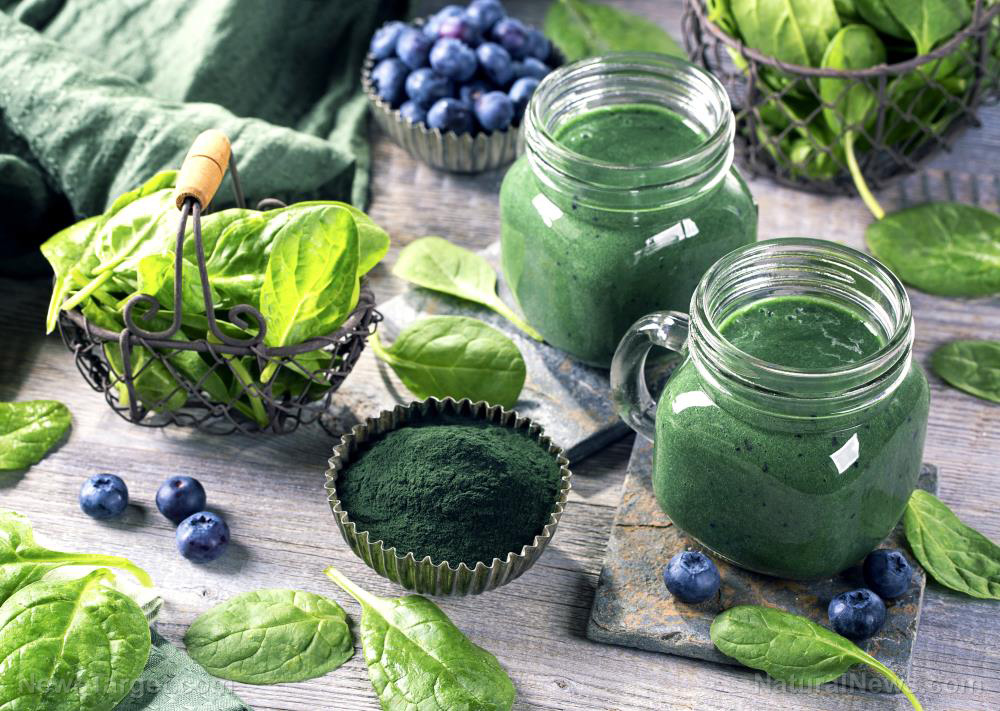
- Chapter 9 explores whether chlorella and spirulina could provide nutritional or protective benefits during nuclear emergencies, while emphasizing that evidence for radiation protection remains uncertain.
- The program discusses chlorella's nucleic acids, spirulina's phycocyanin and antioxidant pathways and Chernobyl-era research, including claims involving Ukrainian children, but highlights gaps in the supporting evidence.
- Beyond supplements, the investigation asks whether algae's abundance and ease of cultivation could make it useful when conventional food supplies fail, amid concerns about food security and centralized systems.
- Chapter 10 explains major DNA-repair pathways, including BER, NER, MMR, HR and NHEJ, and how they continually address genetic damage caused by normal cellular activity and other stresses.
- Accumulating or improperly repaired DNA damage can cause mutations, chromosomal changes and genomic instability, potentially contributing to disease. The episode connects this vulnerability to cancer, immune dysfunction and radiation sensitivity.
The nuclear preppers' secret: Why the CIA and FEMA hope you don't discover the "Algae Alliance"
As fears of nuclear conflict, radioactive fallout and fragile food systems intensify, a provocative new investigation turns its attention away from bunkers and toward something far more ordinary: algae. Chapter 9 of "UNBREAKABLE," which will be aired on Sept. 6, examines claims that chlorella and spirulina could become an overlooked civilian resource during a catastrophe. Adams argues that chlorella's nucleic-acid content could support the body after radiation exposure, while highlighting spirulina's blue pigment, phycocyanin and its relationship to antioxidant pathways such as Nrf2. The investigation also invokes Chernobyl-era research and accounts involving Ukrainian children to suggest a potentially broader role for algae in radiation preparedness. But the episode's most intriguing question is larger than any single supplement: could an abundant, easily cultivated organism become part of a resilient food strategy when conventional supplies collapse? The program explores the "Algae Alliance" narrative against the backdrop of government emergency planning, global food security concerns and growing distrust of centralized systems. It also confronts the evidence and the gaps behind claims that algae could protect human cells from radiation. Is this an overlooked survival resource, an exaggerated health promise or something in between? The episode invites viewers to investigate before the next crisis makes the question urgent.The genetic repair crew: What happens when your DNA's emergency system fails
In Chapter 10, to stream on Sept. 7, Adams takes viewers inside the microscopic infrastructure that keeps the human genome functioning, portraying the body as a sprawling metropolis dependent on an invisible army of repair specialists. DNA, he explains, is constantly under assault, with ordinary metabolism producing thousands of lesions in each cell every day. The episode moves through BER, NER, MMR, homologous recombination (HR) and NHEJ, revealing how each pathway tackles a different class of genetic damage. Adams compares BER to a janitor cleaning everyday molecular messes, while NHEJ becomes the emergency crew that rapidly reconnects broken chromosomes when no perfect template is available. But what happens when the repair crews fail or when increasingly damaged DNA forces cells into less accurate emergency solutions? Adams warns that accumulated damage can produce mutations, chromosomal rearrangements, genomic instability and, ultimately, disease. The investigation becomes especially provocative as Adams connects DNA-repair disruption to cancer, immune dysfunction and radiation vulnerability. At stake is a deceptively simple question: when the machinery responsible for preserving genetic integrity breaks down, how much damage can the human body absorb before the entire system begins to unravel?Want to know more?
Discover the concepts explored in Mike Adams' "UNBREAKABLE" course, which examines DNA integrity, cellular repair pathways, radiation exposure and the relationship between nutrition and genetic resilience, streaming on BrightU. Across 12 chapters, the course takes viewers through the fundamentals of DNA damage and repair, including NHEJ, homologous recombination, double-strand breaks and cellular mechanisms involving BRCA1, 53BP1 and CHK1. It also explores Adams' perspectives on spike protein, nuclear fallout, environmental stressors and the nutritional strategies he believes may support DNA repair. Whether you're new to the subject or looking to explore the science presented in the course in greater depth, you can purchase the "UNBREAKABLE" course package here to learn more about its framework for genetic preparedness and cellular resilience. Upon purchase, you'll gain access to the full 13-chapter course and accompanying educational materials covering DNA repair, nutrition, environmental exposure and Adams' proposed strategies for supporting the body's natural repair mechanisms. Sources include: BrighteonUniversity.com 1 BrightU.com BrighteonUniversity.com 2Mastodon
Parler
Gab
Copy
Tagged Under:
nutrition radiation preparedness cancer algae Mike Adams survival nuclear spirulina MMR tips DNA Chernobyl chlorella oxidative stress goodhealth phycocyanin Nrf2 NHEJ genetic integrity nucleic acids UNBREAKABLE BER NER antioxidant pathways BrighU
You Might Also Like

Study: Stair Climbing Linked to Lower Risk of Heart Disease Death
By Morgan S. Verity // Share

Study Links Deep Sleep Brain Activity to Better Cognitive Outcomes in Alzheimer’s
By Iva Greene // Share


Study: Mindfulness and Gratitude Programs Show Blood Pressure Benefits in 8 Weeks
By Morgan S. Verity // Share
Nuts and Seeds That May Support Hair Growth, According to Nutrition Research
By Coco Somers // Share
Why Open-Programmable Humanoid Garden Robots Will Help You Achieve Off-Grid Food Production
By Mike Adams // Share
Recent News




Popular This Week